ByJohn A
How SOV Vessel Technology Supports Offshore Wind Growth
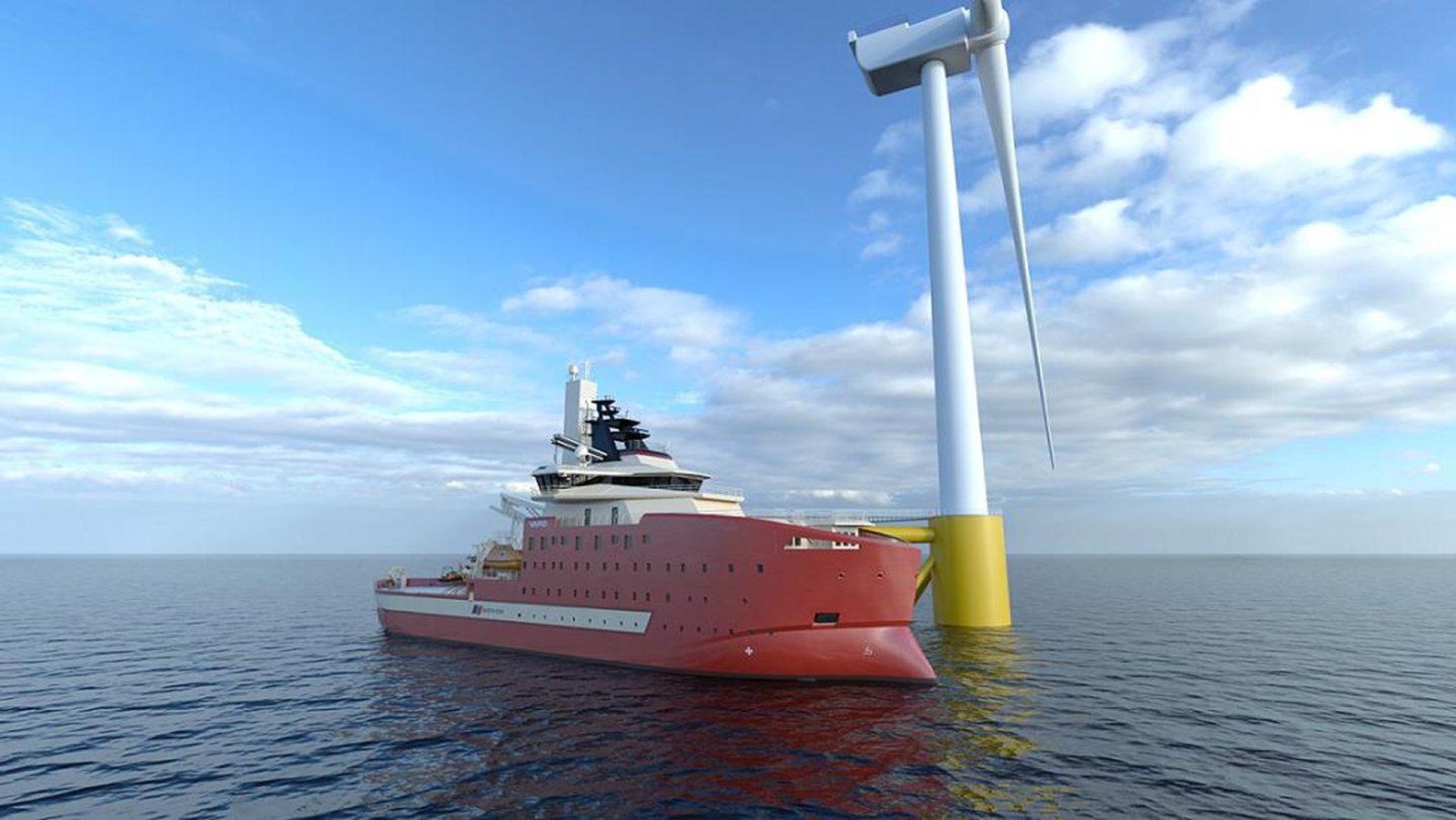
An sov vessel is one of the most important support assets in offshore wind. For readers of techcham.net, it shows how renewable energy depends on practical marine technology as much as turbines, cables, and grid connections.
SOV means Service Operation Vessel. Sirius Design & Integration describes these ships as platforms for wind farm support, including walk-to-work operations, technician accommodation, equipment storage, and safe offshore access. As wind farms move farther from shore, this type of vessel becomes even more valuable.
Why Offshore Wind Needs SOVs
Offshore wind turbines require regular inspection and maintenance. Blades, towers, electrical systems, and foundations must be monitored and repaired over time. When a wind farm is far offshore, sending small boats from land every day can be inefficient and weather-dependent.
An SOV vessel solves this by serving as a floating base. Technicians can live onboard, store tools and spare parts, and access turbines more efficiently. This increases productive working time and helps reduce turbine downtime.
Walk-to-Work Systems
Safe transfer is one of the defining features of an SOV. Motion-compensated gangways help technicians move from the vessel to turbine structures while the ship and sea are moving. This technology expands the conditions in which maintenance can take place.
Good SOV design must support the gangway system with stable positioning, practical deck layout, clear safety procedures, and strong visibility from control areas. The transfer system is not an add-on; it is part of the vessel’s core mission.
Dynamic Positioning and Precision
Dynamic positioning helps an SOV hold its location without anchoring. This is critical when working close to turbine towers or offshore substations. The vessel uses thrusters, sensors, and control systems to maintain position despite wind, waves, and current.
Precision improves safety and efficiency. It allows technicians to transfer more reliably and gives operators greater control during complex maintenance tasks.
Life Onboard and Work Efficiency
Because SOVs support extended offshore campaigns, accommodation quality matters. Technicians need rest, food, workspace, storage, and safe movement routes. A vessel that supports people well can improve productivity and reduce fatigue.
Work efficiency also depends on layout. Spare parts, tools, workshops, and deck access should be arranged around the maintenance mission. If technicians can prepare, transfer, and return smoothly, the entire wind farm support operation becomes more effective.
Read Also: The Benefits of Technology in Smart Logistics Operations
Sustainability in Support Vessels
Offshore wind is a clean energy sector, so support vessels are expected to reduce their own environmental impact. Efficient hulls, hybrid propulsion, batteries, shore power compatibility, and smart energy systems can help lower fuel use.
The most sustainable SOV is not simply the one with the newest technology. It is the one whose systems match the actual operating profile. Thoughtful design can reduce emissions while keeping the vessel reliable and practical.
Conclusion
An SOV vessel supports offshore wind by giving technicians a safe, efficient, and reliable base at sea. Its value comes from the combination of walk-to-work access, dynamic positioning, accommodation, storage, and energy-conscious design. As offshore wind expands, SOV technology will remain a key part of keeping renewable power productive.