ByJohn A
How Clinical Staff Adjust IV Drip Rates Up or Down Using the Roller Clamp
Understanding the general technique for how to stop iv drip up or down, meaning how trained clinical staff increase or decrease flow rate using the roller clamp, provides useful foundational knowledge for those learning intravenous therapy fundamentals. This overview describes the general technique clinical staff use for this routine adjustment task.
Confirming the Current Flow Rate Before Adjusting
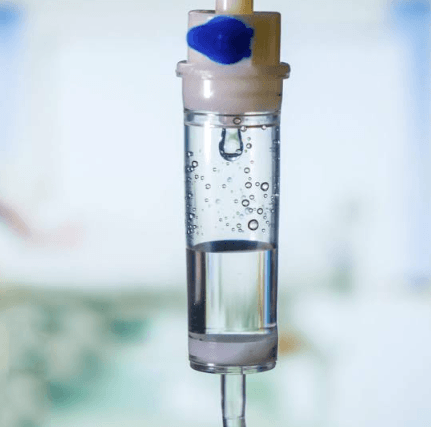
Before making any adjustment, staff typically first observe the current drop rate in the drip chamber over a timed interval, establishing a clear baseline understanding of the existing flow rate before determining how much adjustment is needed to reach a new target.
Making Gradual Adjustments Rather Than Large Changes
Clinical technique generally favors making gradual, incremental roller clamp adjustments rather than large, abrupt changes, allowing staff to fine-tune toward the desired target rate while avoiding overshooting significantly in either direction.
Recounting Drops After Each Adjustment
After each incremental roller clamp adjustment, staff recount drops over a timed interval to verify the new rate, repeating this adjust-and-verify cycle until the observed rate matches the calculated or ordered target.
Increasing Flow Rate Technique
To increase flow rate, staff move the roller clamp in the direction that reduces tubing compression, allowing more fluid to pass through per unit time, continuing this adjustment gradually while monitoring drop rate until the higher target is achieved.
Decreasing Flow Rate Technique
Conversely, decreasing flow rate involves moving the roller clamp in the direction that increases tubing compression, restricting fluid passage, again applying gradual adjustment while monitoring drop rate until the lower target rate is confirmed.
Verifying Rate Changes Reflect Clinical Orders
Any flow rate adjustment should correspond to a specific clinical order or established protocol, with staff confirming that the adjustment they’re making genuinely reflects the current, appropriate order rather than relying on assumption or memory of a previous rate.
Building Confidence Through Supervised Practice
For those newer to this skill, supervised practice under the guidance of an experienced clinical mentor helps build confidence and technique proficiency before performing these adjustments independently in actual patient care situations.
See also: How SOV Vessel Technology Supports Offshore Wind Growth
Learning More About This Foundational Technique
For additional guidance on this fundamental clinical skill, reviewing information on how to stop iv drip up or down adjustment technique helps support safe, confident practice for those building intravenous therapy competency.
Frequently Asked Questions
Why do clinical staff make gradual rather than large roller clamp adjustments? Gradual, incremental adjustments allow staff to fine-tune toward the desired target rate while avoiding overshooting significantly in either direction, supporting more precise, controlled flow rate management.
How do staff verify a flow rate adjustment was successful? After each incremental adjustment, staff recount drops over a timed interval, repeating this adjust-and-verify cycle until the observed rate matches the calculated or ordered target.
Should new clinical staff perform flow rate adjustments independently right away? No, supervised practice under the guidance of an experienced clinical mentor helps build confidence and technique proficiency before performing these adjustments independently.
Final Thoughts
Understanding the general technique for adjusting IV drip rates up or down using the roller clamp provides essential foundational knowledge for intravenous therapy practice. Careful, gradual adjustment paired with consistent verification supports both accuracy and safety in this frequently performed clinical skill.